Pathogenesis Needed a Room Code—and a Server Behind It
The Go matchmaker turned “join a game” into an allocation problem involving Agones, room codes, containers, and cluster setup.
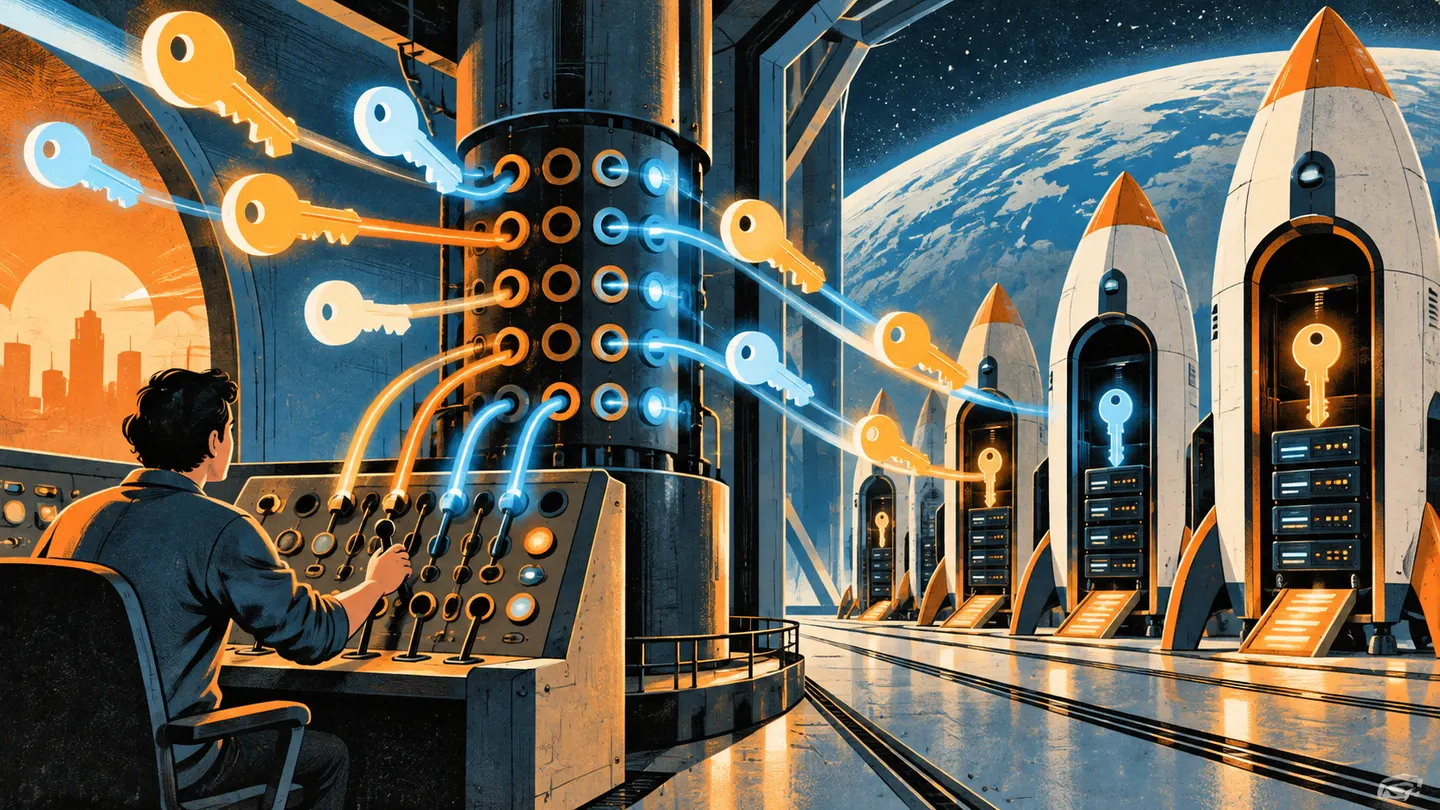
A room code is a tiny interface to a surprisingly large amount of machinery.
The Go matchmaker for Pathogenesis was responsible for receiving room requests and working with Agones to allocate a game server. The client could deal with a room code instead of asking players to handle an address and port directly.
The October 4 history includes a multistage Docker build and an early milestone for allocating a server and obtaining its connection information. By November 8, the commits are working on certificates, builds, and creating the cluster from scratch.
A game has an operational side
This is the part of the project where “make a multiplayer game” became “understand the environment that runs the multiplayer game.”
The Unity client was only one piece. A server build needed packaging. Allocation needed to find a place for a session. The matchmaker needed a dependable way to talk to the hosting system.
The broader game-development retrospective describes why this became such a learning project. The dated commits provide a more specific picture of the work: repeated attempts to make the hosting setup reproducible, rather than a claim that a large public service was operating.
I still like the contrast. The player-facing goal was to type a few characters and join friends. Underneath, I was learning containers, certificates, and Kubernetes because that simple action needed something on the other end.
From the project archive · Q4 2020. Written in September 2026 from repository history; the date above marks the project work, not the original publication of this retrospective. Cover art is an illustration.